

Elbow Pain
Elbow pain has a sneaky way of showing up in the middle of life’s simplest moments, gripping a bag, twisting a jar lid, swinging a racket, or just leaning on your arm at your desk. It’s not dramatic, but it’s relentless. And because we rely on our elbows for nearly every push, pull, and reach, even minor discomfort can become a daily nuisance.
From sports injuries and tendon overload to repetitive strain and postural stress, elbow issues are more common than most people realise. At Cairnhill Physiotherapy, we’re well-versed in treating everything from classic tennis elbow to more complex nerve or ligament conditions.
Alternatively, request an appointment using the form below.
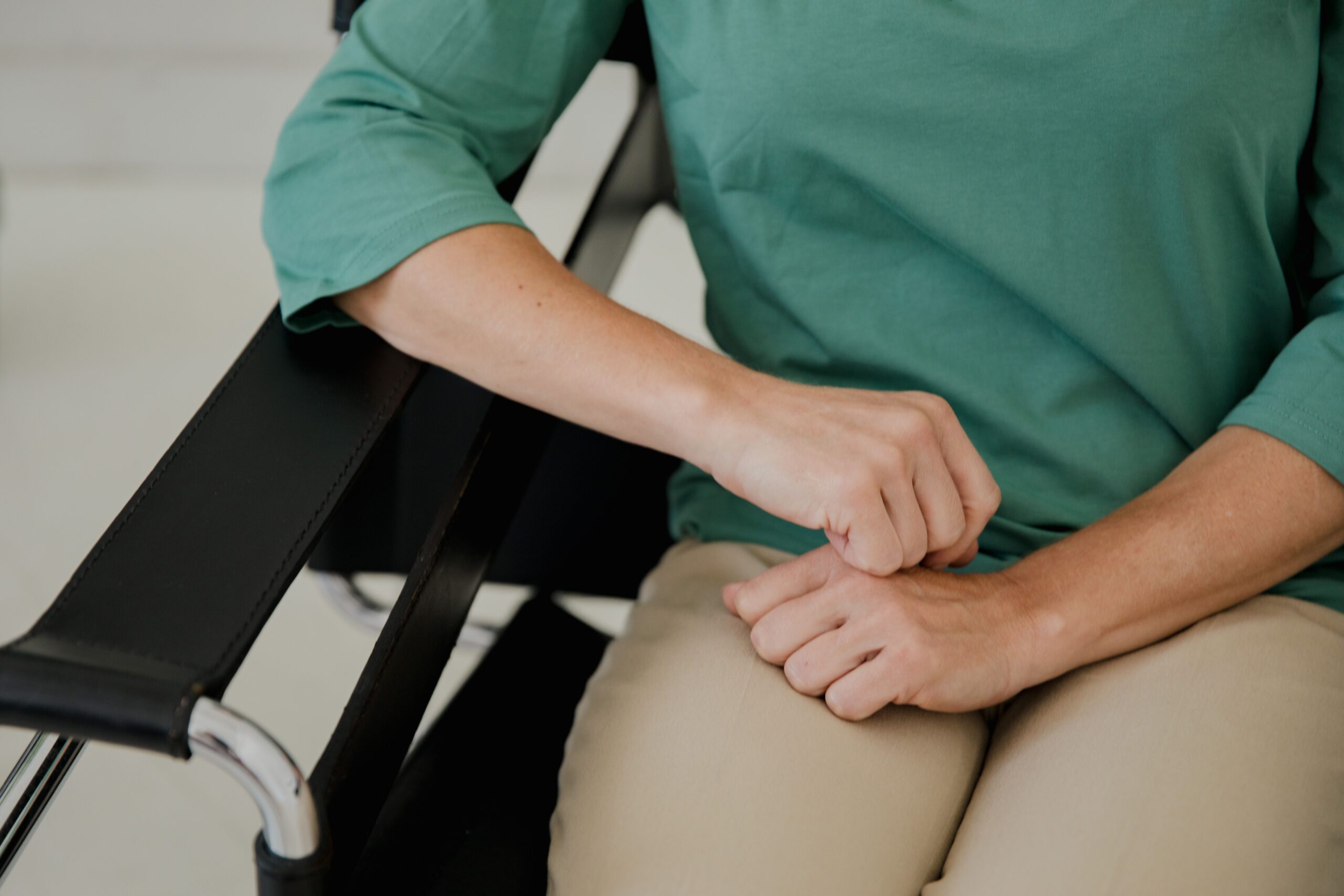
What Causes Elbow Pain?
The elbow is a hinge joint made up of three bones, supported by muscles, ligaments, tendons, and nerves. While it might not be as complex as the shoulder, its role in daily function is vital, especially when it comes to lifting, twisting, pushing, or repetitive hand movements.
Because of its frequent use, the elbow is prone to both acute injuries and overuse conditions. Pain can develop suddenly after trauma or gradually through repetitive stress. Common symptoms include sharp or dull pain when gripping, lifting, or extending the arm, as well as localised tenderness, stiffness, or swelling.
Early intervention is key. What starts as a minor twinge can quickly progress into a more persistent issue, especially with ongoing strain. A proper assessment can help pinpoint the exact source, whether it’s a tendon injury, nerve irritation, or joint dysfunction, and lead to targeted treatment that actually works.
Common Elbow Conditions We Treat
From everyday strains to sudden injuries, the elbow is vulnerable to more than its fair share of issues. Here are some of the most common conditions we treat:
Despite the name, you don’t need to play tennis to suffer from this condition. It’s caused by repetitive stress on the forearm extensors, leading to pain on the outside of the elbow.
Pain on the inside of the elbow, often due to repetitive gripping or wrist flexion. Common in golfers, yes, but also anyone who uses tools, types frequently, or lifts improperly.
This involves inflammation of the bursa over the bony point of the elbow. It may be caused by direct pressure, trauma, or prolonged leaning on the elbow.
Dislocations occur when the bones in the joint become displaced, while fractures involve a break in one of the elbow bones.
A less common condition caused by compression of the radial nerve near the elbow. Symptoms include aching in the outer forearm and weakness in grip, often mistaken for tennis elbow.
Repetitive stress, poor movement patterns, or sudden overload can cause microtears in tendons, resulting in ongoing discomfort or sharp pain during activity.
Ligament injuries can occur from sudden twisting motions or trauma. Mild sprains cause tenderness and instability, while more serious ones may restrict movement entirely.
Meet Harley
Harley has worked as a physiotherapist since 2007 and has a strong background in complex injury management and rehabilitation. He regularly treats elbow problems such as tennis elbow, golfer’s elbow, tendon strain and ligament sprains, and guides patients through recovery after dislocations and fractures. His approach combines hands-on treatment with progressive strengthening and practical advice on the work, sport and daily tasks that load the elbow, so you can build lasting strength and keep the pain from coming back.
Read more about Harley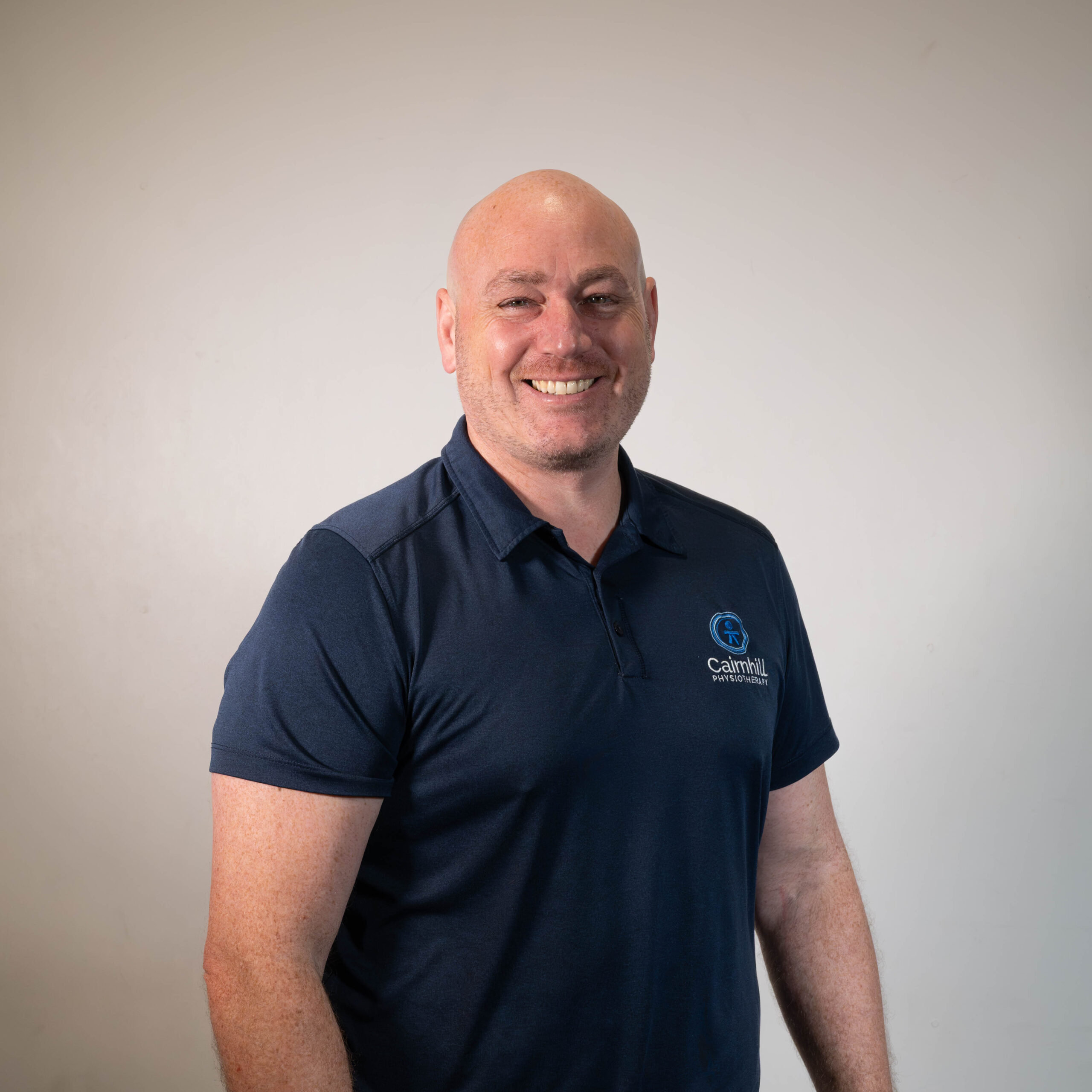
Why Choose Cairnhill Physiotherapy for Elbow Pain?
At Cairnhill Physiotherapy, we believe great treatment starts with real listening. Elbow pain might sound like a small problem, but when it starts affecting how you work, lift, write, or move, it doesn’t feel small at all.
We take the time to understand not just what hurts, but how it’s impacting your day-to-day. From tennis elbow to post-injury rehab, our physiotherapists use a blend of skilled assessment, hands-on treatment, and structured rehab to help you get stronger with purpose, not guesswork.
We don’t hand you a printout and send you on your way. We work with you to build a plan that fits around real life, not the other way around. Whether your goal is getting back to the gym, the tools, the office, or simply lifting the groceries pain-free, we’ll help you get there, with care that’s personal and results that last.
How Physiotherapy Helps Elbow Pain
At Cairnhill Physiotherapy, we take a targeted, evidence-based approach to elbow pain. Every treatment plan is tailored to your condition, goals, and lifestyle, and may include one or more of the following:
Manual Therapy
We use joint mobilisations and soft tissue techniques to reduce stiffness, ease tension in surrounding muscles, and restore comfortable movement.
Acupuncture
For cases involving muscle tightness or tendon irritation, acupuncture can help release deep tension and promote tissue healing by improving blood flow to the affected area.
Taping
Supportive taping techniques can reduce strain on injured tendons, improve joint stability, and provide pain relief, especially in conditions like tennis elbow or ligament sprains.
Joint Mobilisation
Gentle mobilisation of the elbow joint can restore lost range of motion, particularly after injury, immobilisation, or overuse-related stiffness.
Activity Modification & Education
We help you identify and adjust movement habits that may be contributing to your pain. This includes advice on lifting technique, tool use, ergonomic changes, and pacing strategies for daily tasks.
Exercise Programs for Elbow Rehabilitation
A key part of recovering from elbow injuries isn’t just calming things down, it’s rebuilding strength, mobility, and function. Our exercise programmes for elbow rehabilitation are tailored to your condition, stage of healing, and lifestyle goals.
In the early stages, we prioritise pain relief and gentle movement to maintain joint mobility and prevent stiffness. Think low-load mobility exercises, isometric holds, and controlled range-of-motion drills.
As you progress into the mid-stage of rehab, we introduce strength work, targeting grip, wrist, forearm, and shoulder stability. This phase is essential for restoring load tolerance in the tendons and muscles that support the elbow.
Finally, the late stage focuses on functional strength and confidence. Whether that’s returning to tennis, working overhead, or simply lifting a bag of groceries without flinching, we design sport- or task-specific training to bridge the gap between rehab and real life.
Need Help with Elbow Pain?
If your elbow pain isn’t improving or keeps coming back, it’s time for a proper assessment. Book with Cairnhill Physiotherapy today and get a tailored plan to help you move forward with confidence.
BOOK ONLINE
Other Services
Explore the rest of our physiotherapy services at the Epsom clinic.
Rehabilitation
Personalised pre- and post-operative programmes that restore and strengthen your movement.
Learn more
Acupuncture
Used alongside physiotherapy to help manage pain, muscle tightness, swelling and restricted movement.
Learn more
Massage
Relaxation, therapeutic, sports and pregnancy massage, including neuromuscular work.
Learn more
Pilates
Physio-led reformer Pilates sessions for every ability, from rehab to general strength.
Learn moreOn-site Gym
A well-equipped rehabilitation gym to rehabilitate you from injury or prepare you for surgery.
Learn more