

Hip Pain
Hip pain can creep into your life subtly or arrive with a thud, but either way, it tends to overstay its welcome. Whether it’s a dull ache at night, sharp pain with movement, or stiffness that just won’t go away, it can affect everything from walking to working to resting. At Cairnhill Physiotherapy, we offer expert, one-on-one care for all types of hip conditions. Our focus is on clear diagnosis, practical treatment, and helping you return to movement with control, confidence and comfort.
Alternatively, request an appointment using the form below.
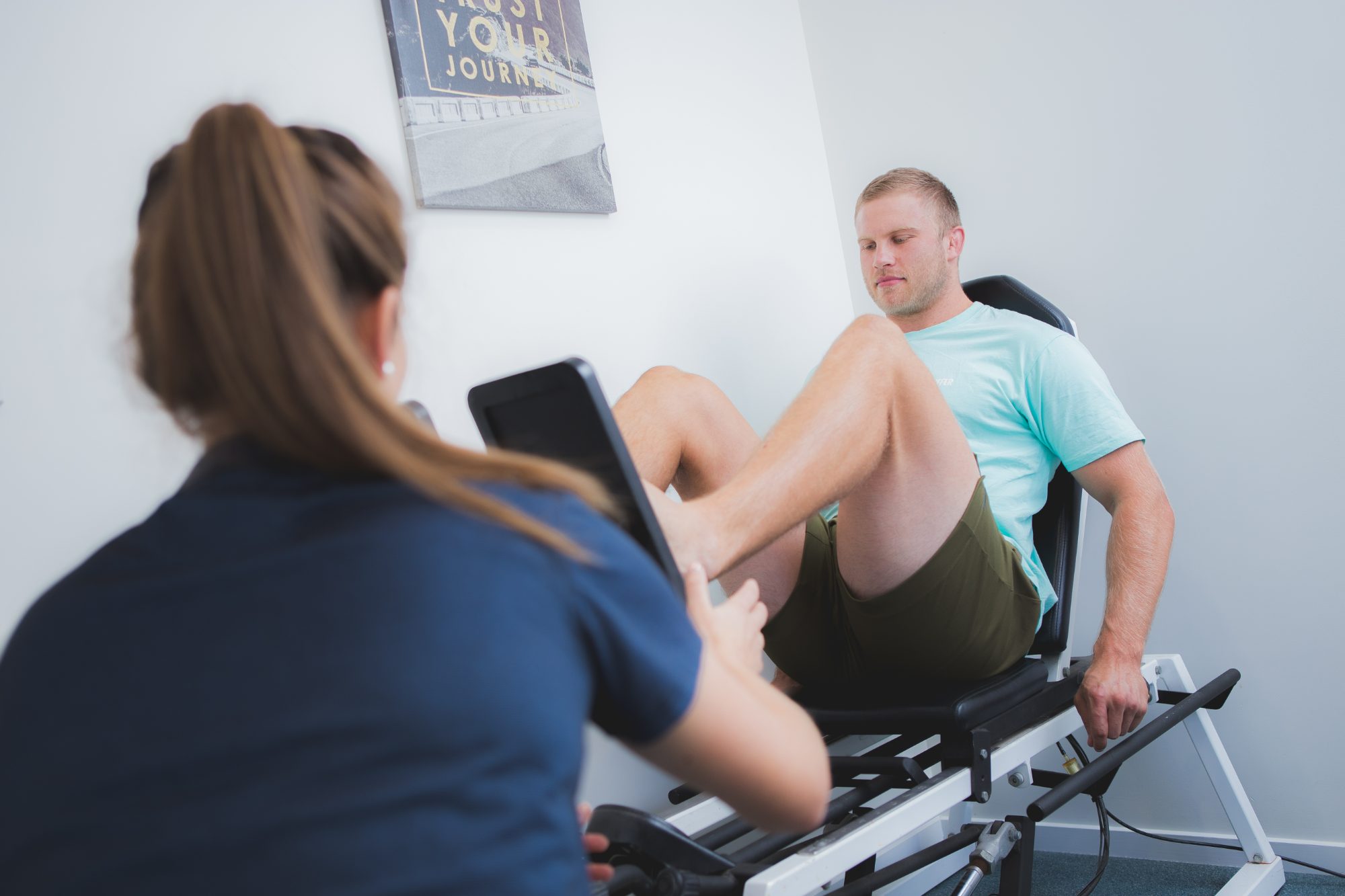
Understanding Hip Pain
The hip is built to support the demands of daily life and dynamic movement. But when its balance is disrupted (by injury, tension or structural change), it doesn’t take much for discomfort to set in. At Cairnhill Physiotherapy, we dig deeper to identify the true source of your pain and plan treatment that works with your lifestyle, not against it.
Common causes of hip pain include:
Irritation or degeneration of the gluteus medius and minimus tendons, typically felt as pain on the outside of the hip, worse with walking, stairs, or lying on the affected side.
A structural condition where abnormal contact between the ball and socket causes joint pinching, stiffness and pain during bending or rotation.
Damage to the cartilage rim of the hip socket, often resulting in clicking, catching, or deep joint pain, especially during twisting or impact activities.
Gradual breakdown of cartilage in the joint, leading to stiffness, aching and reduced range of motion, particularly with age or long-standing wear.
Inflammation of the fluid-filled sacs (bursae) that cushion the hip, causing localised pain with pressure or repetitive motion.
Risk Factors
Hip pain rarely happens without warning—it’s often the result of accumulated strain, movement inefficiency or muscle imbalances. Recognising the factors that increase your risk can play a major role in both prevention and effective recovery.
Some of the most common contributors include:
Overuse
Repetitive movement without adequate recovery (especially from running, cycling, squatting or manual labour) can overload tissues and irritate the hip joint.
Muscle Weakness and Imbalance
Weak gluteal and deep core muscles reduce joint support, which forces surrounding structures to compensate. This extra demand can lead to tendinopathy or joint stress.
Poor Posture and Biomechanics
Issues like hip drop during walking, anterior pelvic tilt or uneven loading can increase stress on tendons, joints and soft tissue, often without obvious symptoms at first.
Sedentary Lifestyle
Long hours of sitting can shorten and tighten hip flexors, restrict mobility, and reduce joint lubrication. Over time, this creates ideal conditions for stiffness and discomfort.
Age and Gender
Certain conditions are more prevalent in specific populations. Women over 40, for example, are more likely to experience gluteal tendinopathy and bursitis, while younger, athletic individuals are more prone to FAI and labral tears.
Meet Harley
Harley has worked as a physiotherapist since 2007 and has a strong background in complex injury management and rehabilitation. He regularly works with hip conditions including gluteal tendinopathy, bursitis, labral irritation and osteoarthritis, and guides patients through recovery after hip surgery. His approach combines hands-on treatment with a targeted strengthening programme, so you understand what’s driving your pain and how to keep it from coming back.
Read more about Harley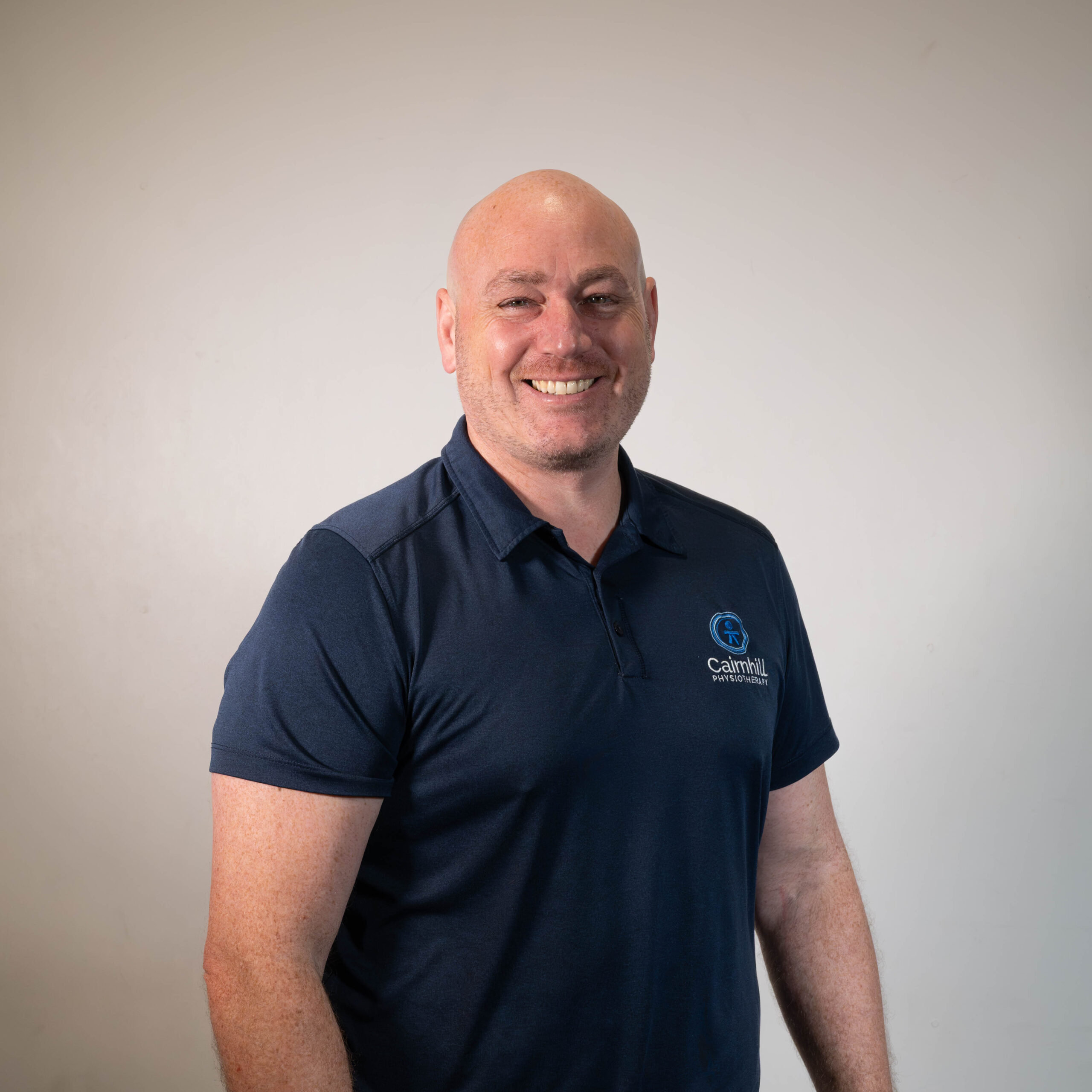
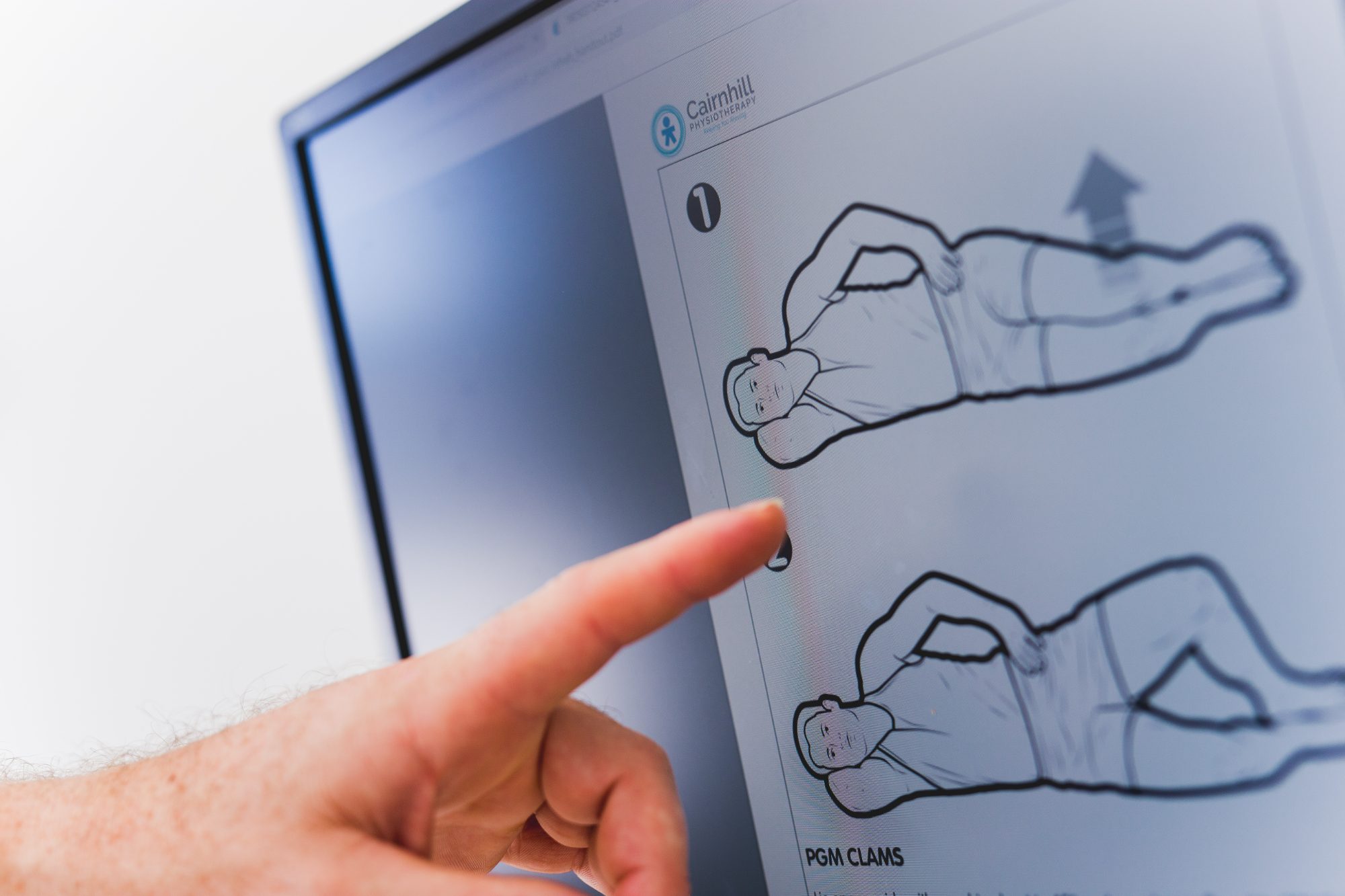
Why Choose Cairnhill Physiotherapy?
At Cairnhill Physiotherapy, we combine decades of clinical experience with a patient-first mindset. Our team has over 45 years of expertise treating complex hip conditions, from overuse injuries to post-surgical rehabilitation.
You won’t find one-size-fits-all care here. We take the time to understand your lifestyle, goals and symptoms, and tailor your treatment accordingly. Whether you need hands-on therapy, or guided strength work, we offer a wide range of services all under one roof.
Our clinic is conveniently located in Epsom, Auckland, making it easy to access high-quality hip physiotherapy without hassle or delay.
Our Approach to Treatment
At Cairnhill Physiotherapy, we don’t just treat symptoms, we get to the root of what’s causing your hip pain. Our approach is holistic, hands-on, and entirely centred around your specific goals and lifestyle.
Comprehensive Assessment
We begin with a detailed analysis of your posture, joint mobility, movement patterns and strength. This allows us to pinpoint the source of your pain and tailor your treatment accordingly.
Individualised Treatment Plans
No two hips are the same. We create a plan that reflects your condition, daily activities, and progress goals, whether that’s walking comfortably, returning to sport, or simply getting up without wincing.
Manual Therapy
Skilled hands-on techniques help improve joint mobility, ease muscle tension, and support natural movement.
Education and Advice
We guide you on how to modify daily habits, workstations, or training routines to reduce aggravation and promote healing.
Rehabilitation Support
From early-stage management to full return to sport or activity, we’ll be with you through each stage of recovery, ensuring progress is steady, safe, and sustainable.
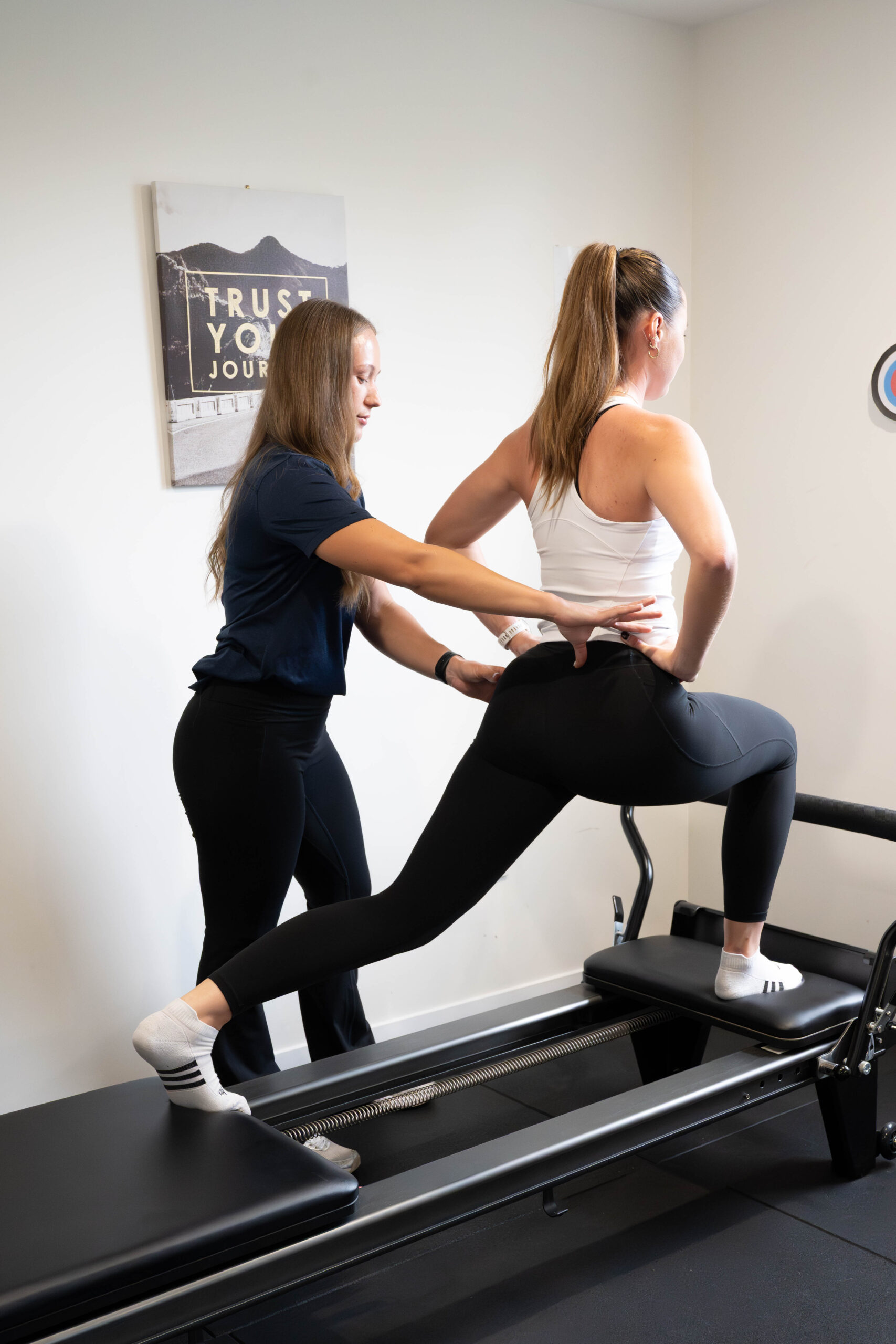
Prevention Tips
Looking after your hips now can reduce your risk of pain and dysfunction later. Small, consistent changes can have a big impact over time.
Strengthening Exercises
Build strength in the gluteal muscles and core to improve joint stability and movement control.
Regular Stretching
Maintain flexibility in the hip flexors, hamstrings and surrounding muscles to reduce tightness and stiffness.
Ergonomic Adjustments
Whether you’re sitting at a desk or lifting on the job, good posture and proper alignment can protect your hips from chronic strain.
Gradual Progression
When increasing exercise intensity or duration, progress slowly. Sudden spikes in load are a major contributor to overuse injuries.
Balanced Diet and Weight Management
Carrying excess weight places additional stress on the hip joints. A healthy, balanced diet supports joint health and reduces inflammation.
Need Help with Hip Pain?
If hip pain is interfering with your daily life, it’s time to take action. At Cairnhill Physiotherapy, we’ll help you make sense of what’s causing the problem and build a personalised plan to restore movement, strength and ease.
Book online today and take the first step towards lasting relief.
BOOK ONLINE
Other Services
Explore the rest of our physiotherapy services at the Epsom clinic.
Rehabilitation
Personalised pre- and post-operative programmes that restore and strengthen your movement.
Learn more
Acupuncture
Used alongside physiotherapy to help manage pain, muscle tightness, swelling and restricted movement.
Learn more
Massage
Relaxation, therapeutic, sports and pregnancy massage, including neuromuscular work.
Learn more
Pilates
Physio-led reformer Pilates sessions for every ability, from rehab to general strength.
Learn moreOn-site Gym
A well-equipped rehabilitation gym to rehabilitate you from injury or prepare you for surgery.
Learn more